Energy monitoring
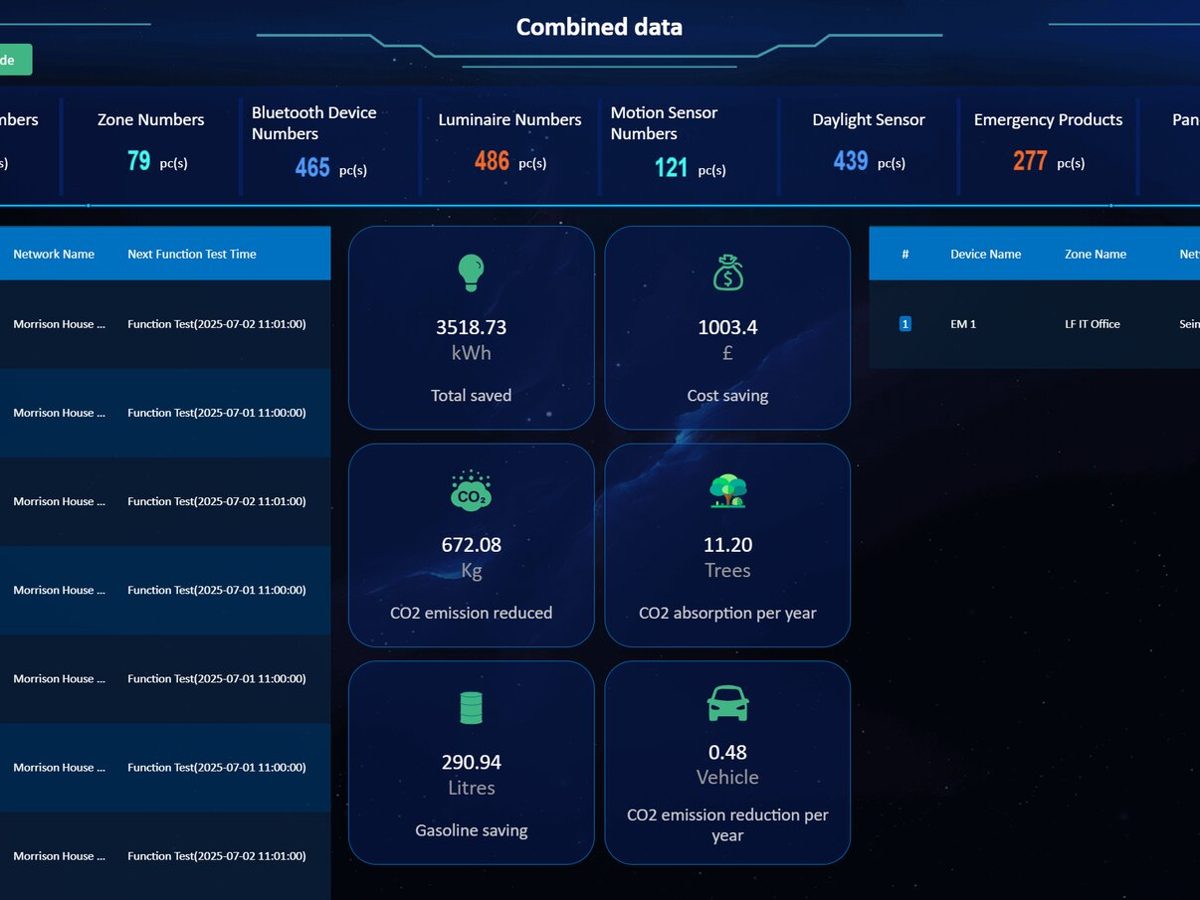
Half-hourly consumption data and sub-metering pulled into one view across every site, with alerts when something drifts off pattern.
Why it matters
A quarterly bill tells you what you spent. It doesn't tell you that a chiller has been running overnight for the last six weeks, or that a site's baseline load has crept up since the audit. By the time it shows on the bill, the waste has already happened.
ILUX pulls half-hourly data and sub-metering into one estate-wide view, so consumption that's out of pattern gets flagged while it's still cheap to fix.
What's included
- Half-hourly consumption data collected across sites that are half-hourly metered
- Sub-metering of key circuits or systems where it's useful — refrigeration, HVAC, lighting
- A single view of consumption across the whole estate, not site by site
- Alerts when a site's usage moves outside its normal pattern
- Bill validation, checking invoiced consumption against metered data
- Regular reporting suitable for internal use or board-level reporting
Monitoring only earns its keep if someone acts on what it shows. Alerts route to the account manager handling your contract, so an anomaly at one site becomes a conversation, not a line in a spreadsheet nobody reads.
Monitoring finds the drift. Audits find the cause.
Where monitoring flags a site consistently running high, a targeted audit is usually the next step to work out why.
How it fits a multi-site contract
Monitoring sits alongside business energy contracts, giving the same account manager visibility of both the rate you're paying and what you're actually using.
Common questions.
Do all our sites need to be half-hourly metered?
No. Monitoring works with whatever data your meters produce, though half-hourly sites give a more detailed picture. We'll say which of your sites qualify for half-hourly settlement.
What triggers an alert?
Consumption that moves outside a site's normal pattern — a sustained increase, unexpected overnight use, or a reading that doesn't match the site being open or closed.
Is this the same as bill validation under our energy contract?
They're connected. Bill validation checks what you're charged; monitoring checks what you're actually using. Both run under the same energy contract.
See consumption across the whole estate.
Send us your site list and metering details and we'll show you what a monitored view looks like.