200 stores, back to brand standard, with fewer visits.
ILUX holds the lighting maintenance contract for the FatFace estate across the UK, Ireland, Guernsey and Jersey. We took over stores that had drifted from the design standard through three years of "whatever's on the van" repairs, brought them back, and then cut the planned visits from four a year to none because the estate no longer needed them.
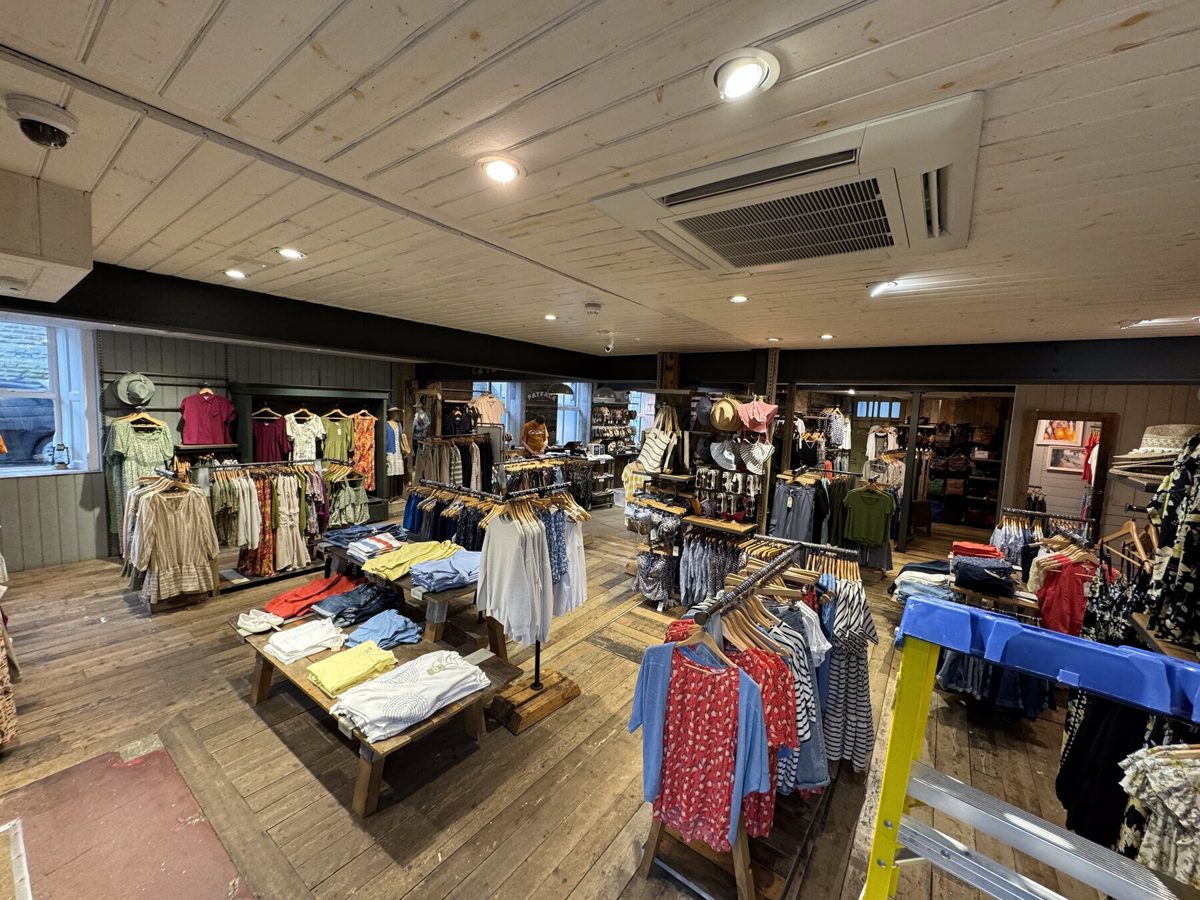
What we inherited
The estate had been under a general facilities contract for three years: four planned lighting visits a year plus call-outs across more than 200 stores. The lights were working. The problem was what they were working with.
When a fitting failed, it was replaced with whatever the engineer had in the van. A 3000K lamp was swapped for a 6000K one, so one bay of the store went cold white against warm white everywhere else. A downlight with a 175mm cut-out failed and the replacement didn't fit, so the hole was cut bigger to take something that did. None of this is unusual in general facilities maintenance. Multiply it by twelve visits a year, three years and 200 stores, and the estate had drifted a long way from the brand and design standard, one fitting at a time.
What ILUX changed
We took the contract on as an extension of the FatFace facilities team rather than a supplier to it: engineers on the ground giving honest feedback on what each store needed, and one plan to bring the estate back to a consistent look.
- FatFace-specific van stock, so every repair uses the right lamp, colour temperature and fitting for the brand standard, not the nearest thing available
- Every store surveyed against the design standard and a plan agreed to bring the drifted stores back
- Working lamps and fittings removed during the LED upgrade kept, tested and reused across the estate, rather than scrapped
- Planned visits reduced as the installed base became reliable: quarterly, then six-monthly, then none
- Emergency lighting contract taken on, with a full asset register and documented test results across every store
Reusing what worked
While the LED roll-out was under way, the older lamps and fittings coming out of upgraded stores were still the standard in stores that hadn't been done yet. The phase-out of fluorescent and halogen lamp manufacturing was making those parts harder and dearer to source, so we kept every working unit, tested it and put it back into service where it was needed. That held the brand standard in the stores waiting for upgrade, cut what the client spent on parts, and kept working equipment out of the skip.
From four planned visits a year to none.
Once the upgrade was complete and the installed base was reliable, quarterly lighting visits had nothing left to find. We moved the estate to six-monthly, then to zero planned lighting visits, with faults handled reactively under the same contract. That took tens of thousands of engineer miles a year off the road, along with the emissions and the cost. A contractor paid per visit has no reason to do that. We did it because the client didn't need the visits.
Emergency lighting: testing that actually happened
The emergency lighting contract came across next. BS 5266-1 requires a full-duration test of every emergency luminaire once a year, three hours for a standard system, with the result recorded. Under the previous arrangement there were stores where the annual test had been signed off but not carried out, tests run for one hour rather than three, and reported failures that didn't stand up when we tested the fittings ourselves.
ILUX worked through the estate over the first year, running the full annual test at every store and building an asset register with every luminaire, its location, type and result. Stores that failed were brought up to compliance and put onto the routine. From year two the estate has been maintained from an accurate register, and the ongoing emergency lighting spend has fallen significantly because the work being done is the work that's needed.
Why it matters for a multi-site retailer
A maintenance contract is judged over years, not visits. The question is whether the estate is in better shape at the end of year three than it was at the start, and whether it cost less to get there. On this contract the stores are back to a consistent standard, the emergency lighting is tested and documented, the planned visits have gone, and the spend has come down. That is what an extension of your own team looks like, and it is the core of what ILUX does.
Lighting is one trade within a wider contract. ILUX covers planned and reactive maintenance, compliance and emergency lighting testing across every site you run, under one agreement with one helpdesk.
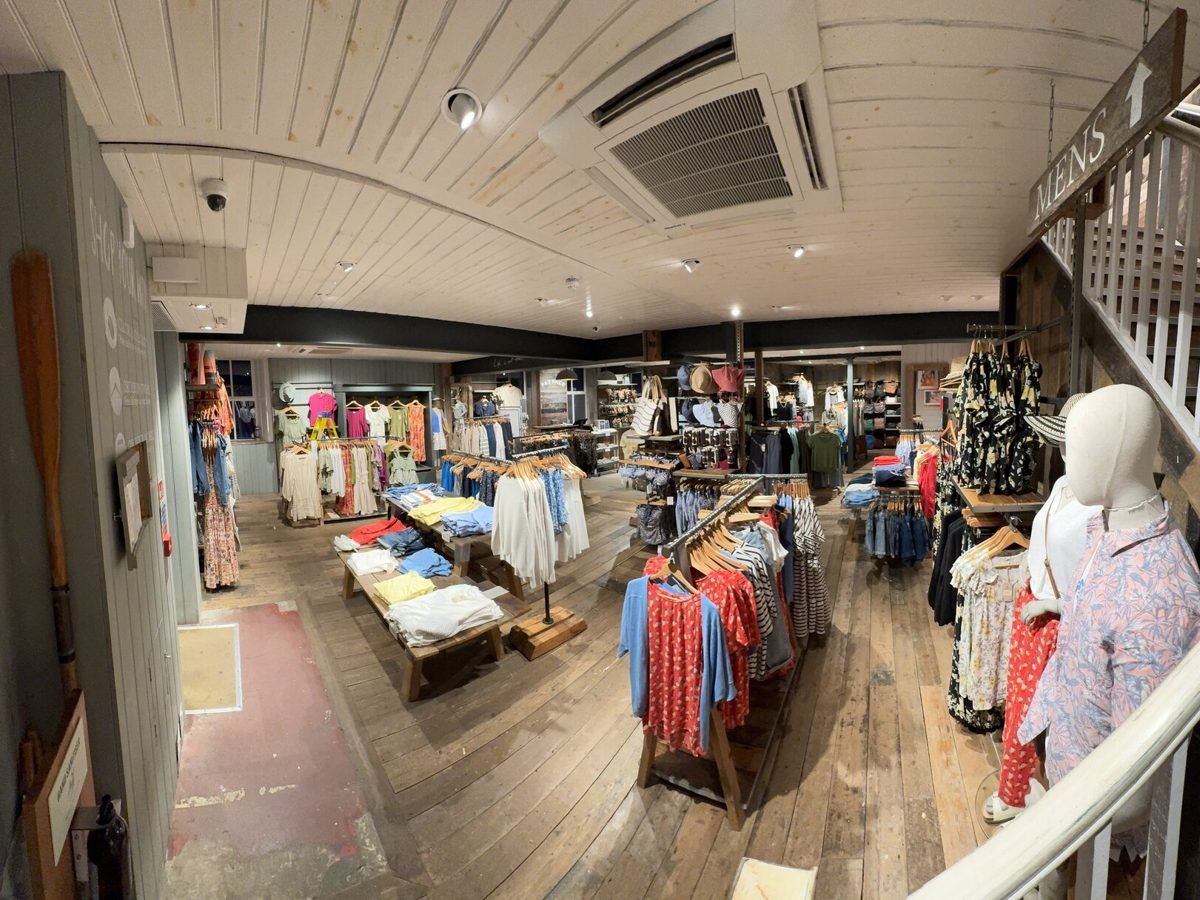
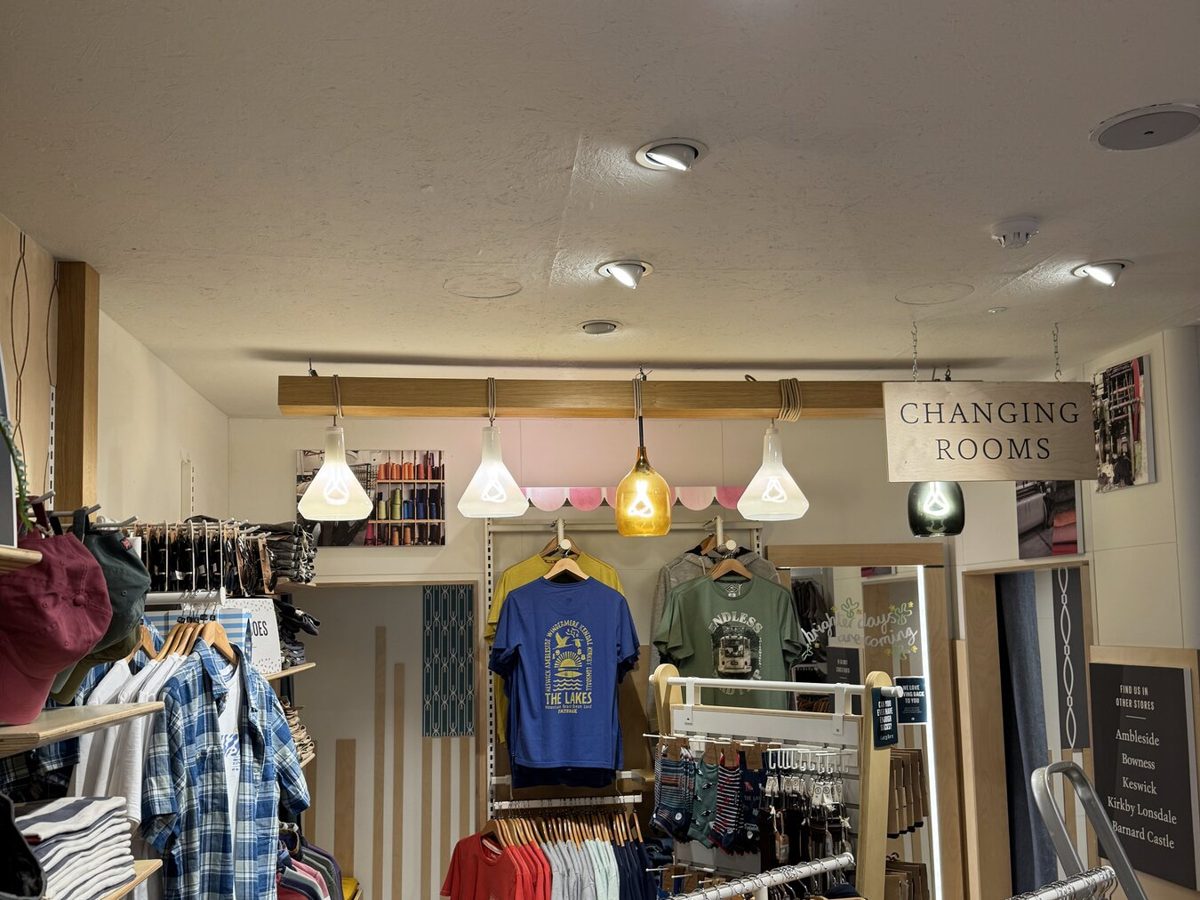
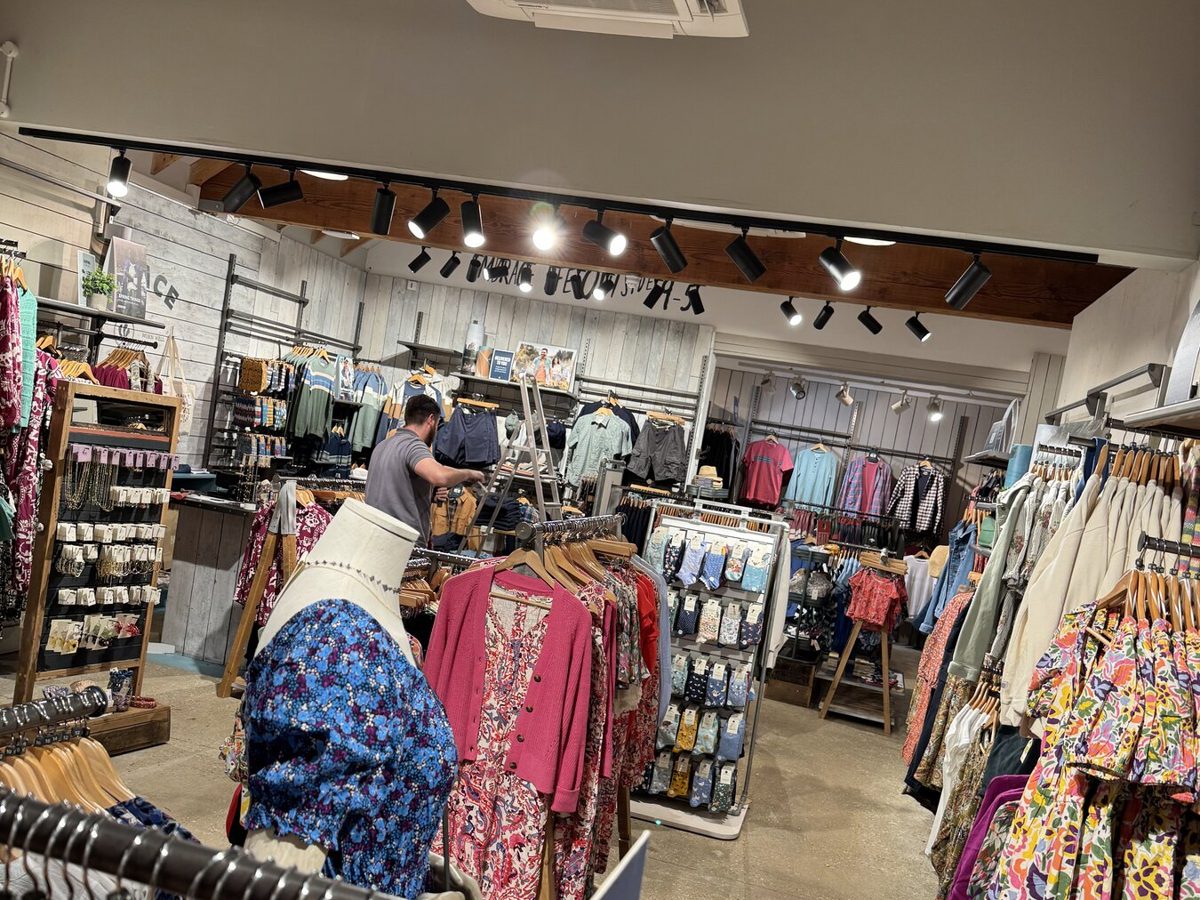
On the estate.
FatFace stores maintained by ILUX across the estate.
Common questions.
Why does colour temperature matter in a maintenance contract?
Because a store is lit to a design. A 3000K warm white scheme with a few 6000K lamps in it looks patchy, the product looks different bay to bay, and every "quick fix" moves the store further from the standard. Carrying the right stock costs nothing extra and stops the drift at source.
Doesn't reducing planned visits reduce cover?
No. Faults are still handled under the same reactive cover with the same response times. Planned lighting visits exist to find failures before the store does; once the installed base is reliable enough that they find nothing, they are cost and mileage without benefit. We recommend the visit frequency the estate needs, and review it as the estate changes.
How often must emergency lighting be tested?
BS 5266-1 calls for a monthly function test and an annual full-duration test (three hours for most systems), with results recorded. The Regulatory Reform (Fire Safety) Order 2005 makes the responsible person accountable for keeping the system maintained, so the record matters as much as the test. See emergency lighting compliance.
Can ILUX take over a contract mid-term or from another contractor?
Yes. We start with a survey of a sample of sites against your standard and a review of the existing records, then agree a plan for the changeover so there is no gap in cover. Most clients move one trade first and bring the rest across at renewal.
An extension of your team, not a supplier to it.
One contract across every site, engineers who know your standard, and a visit schedule set by what the estate needs rather than what the contract allows.