142 stores, specified for the clothes, not the catalogue.
A multi-site LED upgrade across the FatFace estate, with the shop-floor and back-of-house fittings chosen from different manufacturers, trialled in the head-office mock shop, and installed out of hours in around two nights per store. Projected saving: 1.25 million kWh and roughly £290,000 a year.
The project
FatFace wanted to move the lighting across its store estate to LED. The energy case was clear, but for a fashion retailer the light has a second job: the clothes on the rail have to look the colour they are. The brief was an LED scheme that cut the bill and showed the product true to colour, rolled out across the country without a store losing a day's trade.
ILUX surveyed the estate store by store. Of the sites reviewed, 142 still had older lighting and were upgraded; the rest were already on LED or were closing, and were left alone rather than replaced for the sake of it.
Specified to suit, not to a catalogue
ILUX is not a lighting manufacturer and doesn't sell from a single range. That matters on a project like this. A manufacturer will offer the closest product in its catalogue; we write the specification around what the store needs and then bring in whichever suppliers meet it. On the FatFace estate that meant two different manufacturers for two different jobs.
- Shop floor: LUG fittings with high-CRI, fashion-specific LED modules, so garment colours read accurately under the light
- Back of house: Integral LED fittings, specified for stockrooms, staff areas and corridors where output and efficiency matter more than colour rendering
- Every product trialled and adjusted against alternatives in the mock shop at FatFace head office before the specification was fixed
- Scheme designed by ILUX's in-house lighting designer to hit the lux levels and uniformity the stores needed, at the lowest load that achieved them
- Seven-year parts and labour warranty across the estate
The mock-shop trial is the part most roll-outs skip. Putting the candidate fittings up over real rails, in the store format the customer actually uses, showed which modules rendered the range properly and which made navy look black. The specification that went to site was the one that had already been seen and signed off, not the one that looked best on a datasheet.
The numbers
The projected saving was built store by store from each site's existing lighting load and the load of the new scheme, using each store's own unit rate.
- Lighting electricity across the 142 stores down from about 1.97 million kWh a year to 715,000 kWh, a 64% reduction
- Around 1.25 million kWh saved every year, an average of 8,800 kWh per store
- Roughly £290,000 a year off the electricity bills at the tariffs in place at the time, about £2,000 per store
- Around 260 tonnes of CO₂ avoided a year
Two nights a store. Doors open on time every morning.
Supply and installation was carried out out of hours once the stores had closed, taking around two days per store on average. Each store was cleared, cleaned and ready to trade before opening, with no disruption to trading across the programme.
Why it matters for a multi-site retailer
Going direct to a manufacturer for a roll-out gets you that manufacturer's products. Working with ILUX gets you a specification written for your stores, tested in your format, with the right manufacturer for each area, installed by the same team and covered by one warranty. The energy saving comes with it, worked out from your own sites rather than a brochure figure.
ILUX handles the whole of an estate-wide lighting upgrade, from design and specification and LED retrofit to emergency lighting, and can pair it with energy procurement so the saving lands on the contract as well as the meter.
In store.
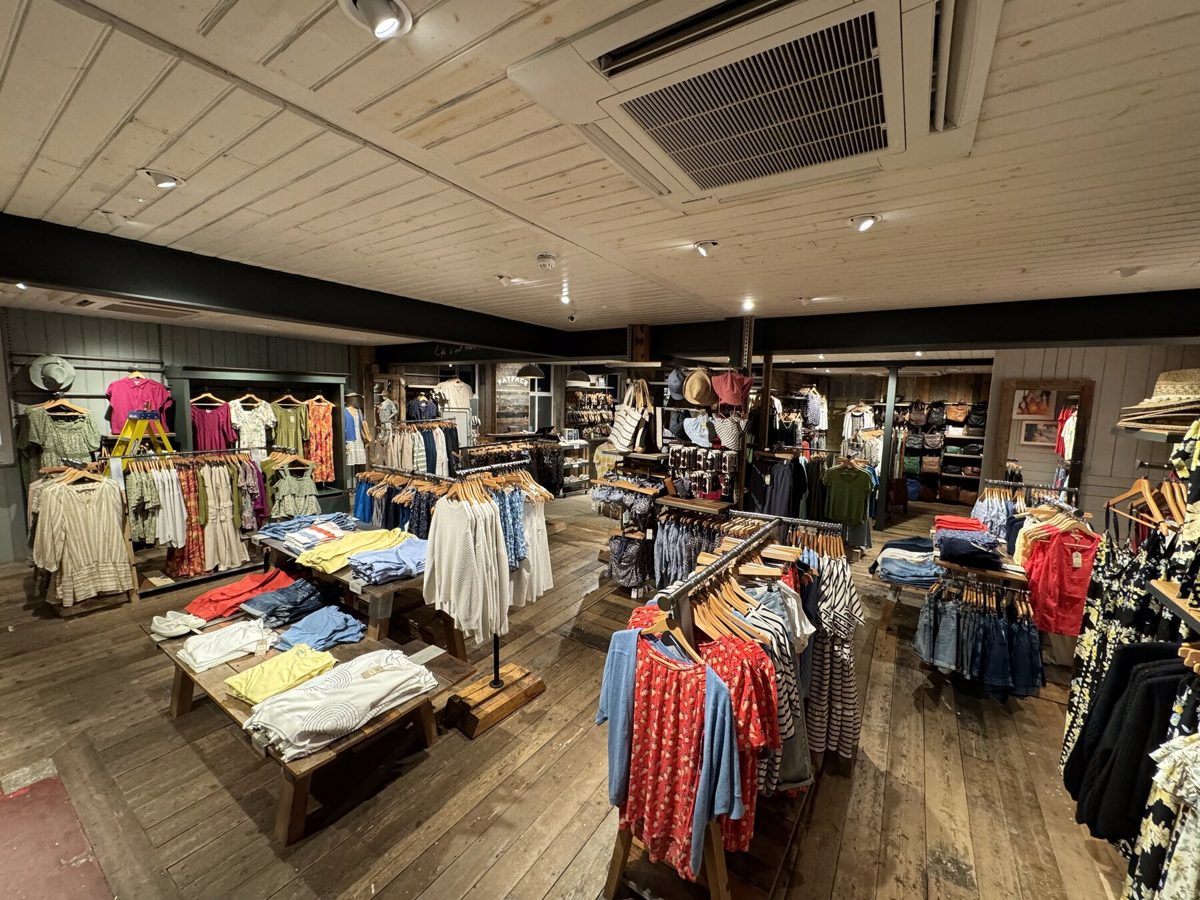
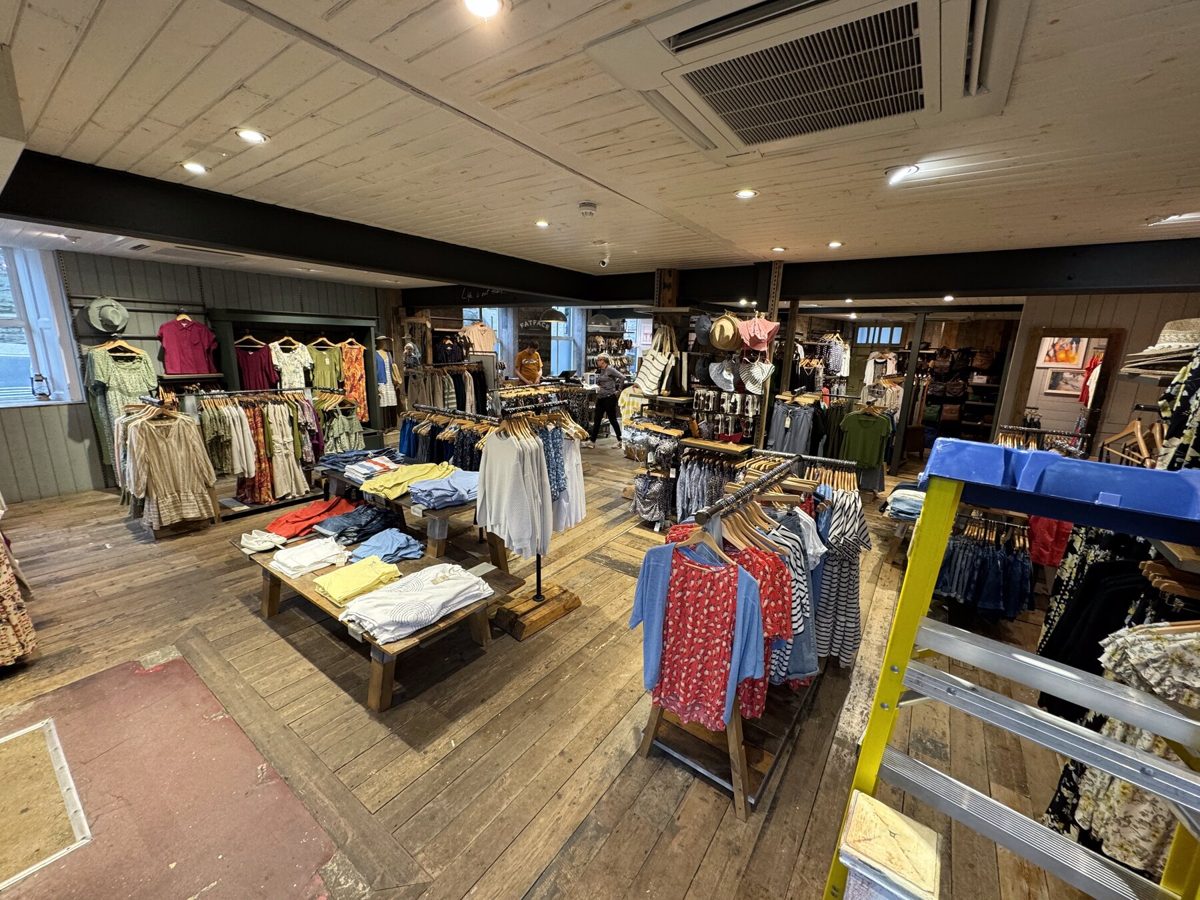
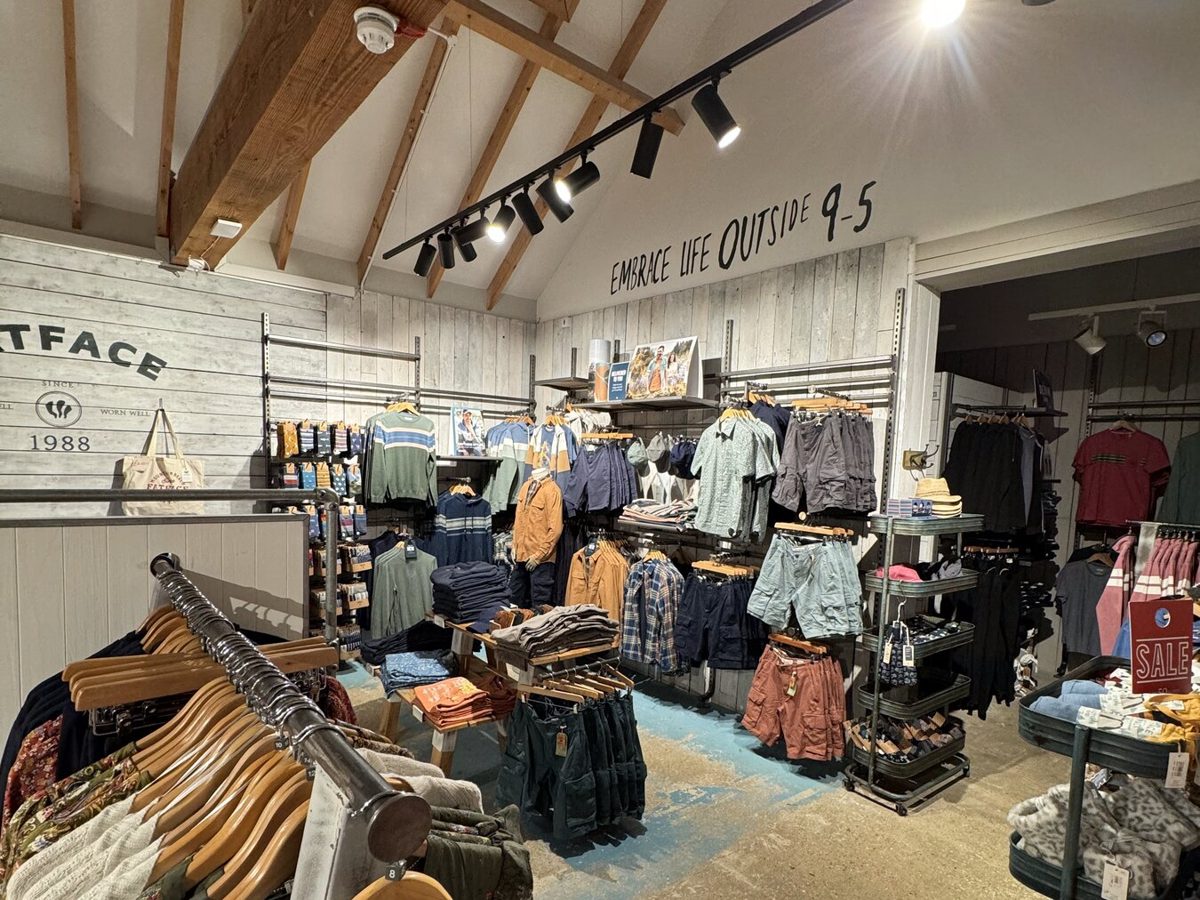
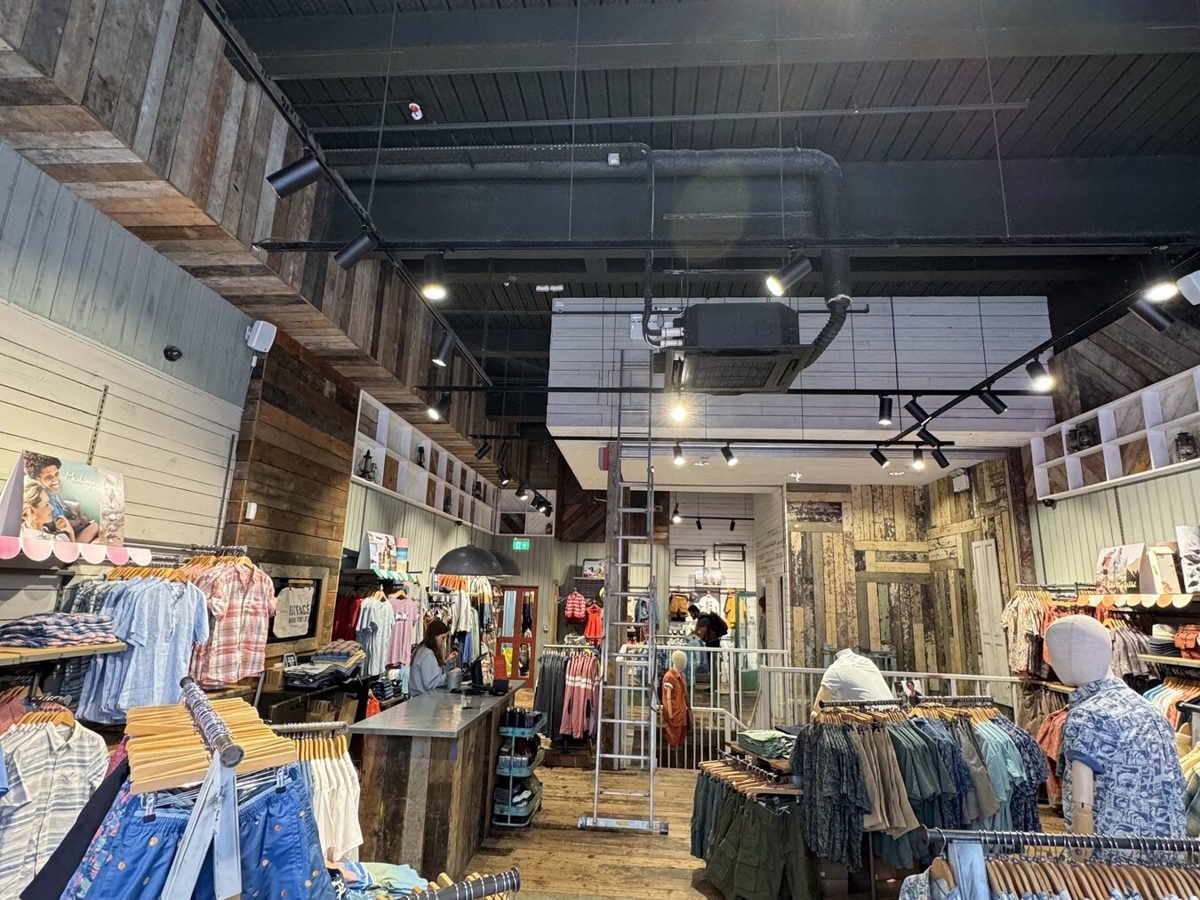
FatFace stores under the new scheme.
Common questions.
Why use two different manufacturers on one roll-out?
Because the shop floor and the back of house have different jobs. On the sales floor colour rendering comes first, so the fittings carry high-CRI modules built for fashion retail. In stockrooms and corridors the priority is output and efficiency. Specifying each area on its own merits gives a better scheme than one range stretched across both.
What is a mock-shop trial and why bother?
The candidate fittings are installed in the retailer's own mock store at head office, over real fixtures and stock, and compared side by side. It shows in an afternoon what a datasheet can't: how the actual product looks under each light. The specification is fixed only after the client has seen it.
How is the saving projected?
Store by store: the load of the existing lighting against the load of the new scheme, over each store's trading hours, at its own unit rate. Sites already on LED are left out of the programme and the figure, so the projection is for the stores that were actually upgraded.
Does the work have to happen out of hours?
For a fashion store it usually should. Installing after close means no ladders or engineers on the shop floor during trading and no lost sales. On this programme each store took around two nights and was ready to open every morning.
A specification written for your stores.
Surveyed, trialled and installed by one team, with the right manufacturer for each area and one warranty across the lot.